

Understanding the typical timeline for a new roof installation helps homeowners prepare for the disruption and plan their schedules accordingly. A simple asphalt shingle replacement on an average-sized home usually takes 2 to 5 days, while more complex projects involving multiple roof levels or premium materials like slate or tile can extend the timeline.
The new roof construction process involves multiple phases that each contribute to the overall project duration. These phases include removing the old roofing materials, inspecting and repairing the roof deck, installing new underlayment, and applying the final roofing materials. Weather delays represent one of the most unpredictable factors affecting residential roofing project duration, as contractors cannot safely work during storms, high winds, or heavy precipitation.
Several factors affecting the timeline of the roof construction remain within the homeowner’s control, such as material selection and contractor scheduling. Choosing readily available materials and booking experienced contractors during their less busy seasons can help minimize delays and ensure a smoother installation process.
Breaking Down the Roof Installation Process
The new roof construction process follows a systematic approach that ensures quality and durability. Each phase builds upon the previous one, making it essential to complete every step thoroughly rather than rushing through the roof installation timeline.
The process begins with removing existing materials, which typically takes 1 to 2 days, depending on the size of the roof. Next, contractors inspect the roof deck for damage and make necessary repairs, a critical step that can add time but prevents future problems. Installing underlayment and the drip edge follows, providing essential moisture protection before the final roofing materials go on.
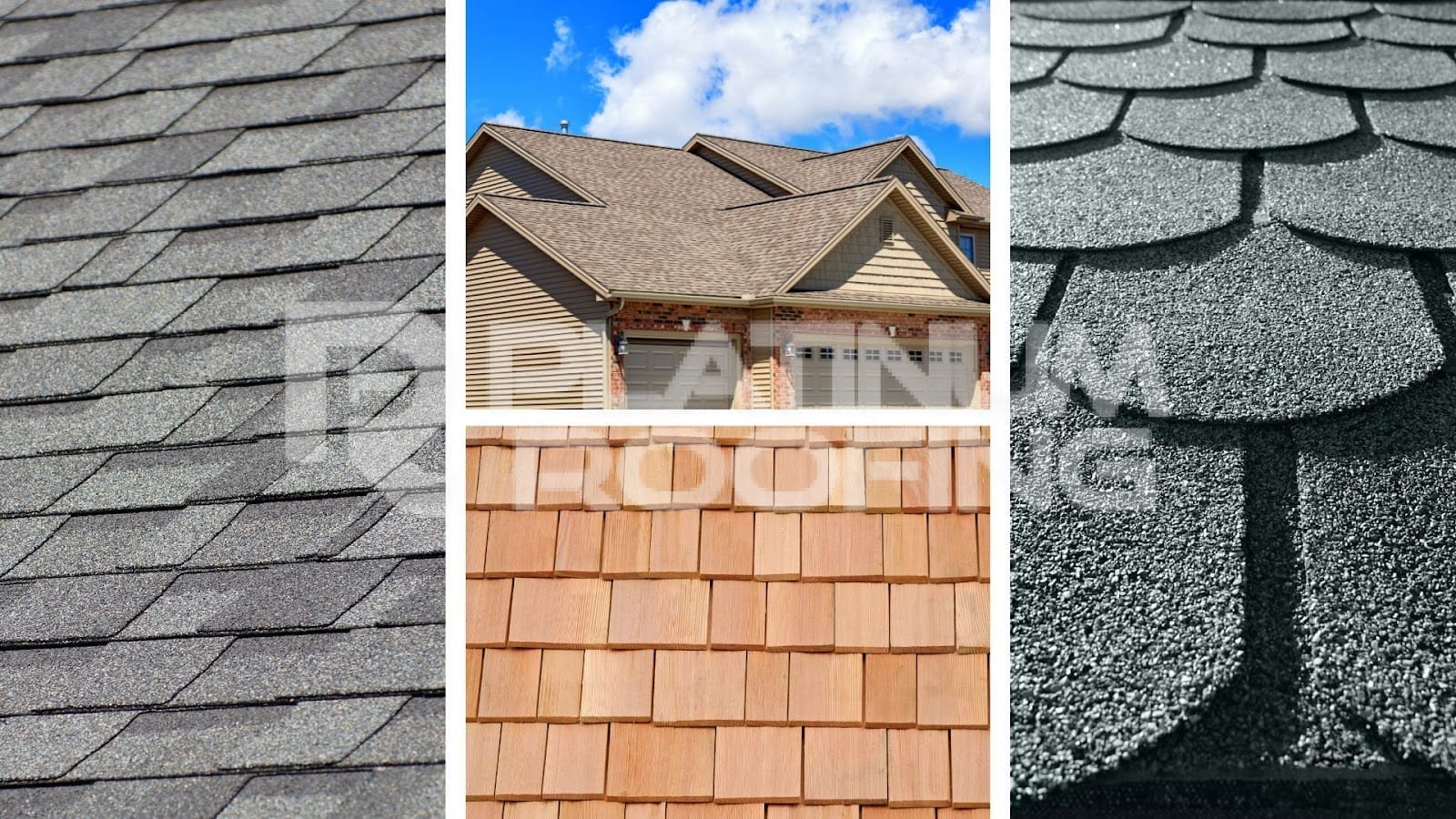
Material installation represents the most time-intensive phase of the residential roofing project. Asphalt shingles move fastest, while architectural shingles, metal, or tile require more precise installation techniques. Each roofing material has specific requirements that directly impact how long new roof construction takes.
Skipping proper deck inspection can lead to structural issues, while rushing material installation often results in leaks or premature failure. Factors affecting the roof construction timeline include weather interruptions, which can pause work for safety reasons, and permit inspections that ensure code compliance.
Key Factors That Speed Up or Slow Down Your Roofing Timeline
Weather conditions represent the most significant variable affecting how long new roof construction takes. Rain, snow, high winds, and extreme temperatures can halt work completely, as safety protocols prevent contractors from installing materials during hazardous conditions. Even light precipitation can delay the roof installation timeline, since moisture compromises adhesive properties and creates unsafe working surfaces.
The complexity of your roof can dramatically impact the project’s duration. Simple gable roofs with minimal angles allow contractors to work efficiently, while complex designs featuring multiple dormers, valleys, and intersecting planes require careful measurements and custom cuts. Steep slopes present additional challenges, requiring special safety equipment and slower installation speeds that extend the new roof construction process.
Material availability affects project scheduling significantly. Common asphalt shingles typically ship quickly, while specialty materials like clay tiles or custom metal panels may require weeks for delivery. Supply chain disruptions can unexpectedly extend factors affecting the roof construction timeline, making ordering materials early essential for maintaining schedules.
Property-specific challenges add considerable time to installations. Multi-story homes require additional safety measures and equipment positioning that slows progress. Existing structural issues discovered during deck inspection must be addressed before proceeding, potentially adding days to the project. Limited access around the property can complicate material delivery and debris removal, creating logistical delays that impact the overall timeline.
Typical Timeline Expectations for Different Roof Types and Sizes
Residential roofing project duration varies significantly based on home size and roofing material selection. Small ranch homes under 1,500 square feet typically require about 1 to 3 days for standard asphalt shingle installation, making them the quickest projects on the roof installation timeline. Medium-sized homes between 1,500 and 2,500 square feet usually take 3 to 5 days, while large two-story houses exceeding 2,500 square feet often extend the new roof construction process to 1 week or longer.
Different roofing materials create substantial variations in how long a new roof construction takes. Asphalt shingles offer the fastest installation, allowing experienced crews to cover significant areas daily. Metal roofing systems require more precise measurements and specialized installation techniques, typically adding 1 to 2 extra days compared to shingles. Clay or concrete tiles demand the most time, as each piece requires individual placement and careful alignment, often doubling the standard timeline.
Preparing Your Property and Family for Construction Duration
Homeowners should clear the work area around their property by moving vehicles, patio furniture, and outdoor equipment at least 10 feet from the house perimeter. This creates safe zones for falling debris and provides contractors with unobstructed access to all roof sections.
Interior preparations protect belongings and minimize disruptions to daily routines during the roof installation timeline. Removing wall hangings, pictures, and fragile items from upper-floor rooms prevents damage from vibrations caused by hammering and material removal. Covering furniture and electronics with plastic sheets provides additional protection from dust that may get through small gaps in the ceiling.
Establishing clear communication protocols with the roofing crew helps maintain realistic expectations throughout the new roof construction process. Homeowners should designate a primary contact person and discuss daily work schedules, material delivery times, and any special property access requirements. Understanding noise patterns allows families to plan activities accordingly, as the loudest work typically occurs during material removal and deck preparation phases.
Managing disruptions requires strategic planning around the residential roofing project duration. Scheduling important phone calls, work meetings, or rest periods during contractor lunch breaks minimizes interference. Pet owners should arrange alternative arrangements for animals sensitive to construction noise, while parents may need to adjust children’s outdoor play schedules to ensure safety around active work zones.
When Roofing Projects Take Longer Than Expected
Even the most carefully planned roof installation timeline can face unexpected setbacks that extend residential roofing project duration well beyond original estimates. Hidden structural damage represents one of the most common surprises during the new roof construction process. When contractors remove old materials, they may discover rotted decking, damaged trusses, or inadequate ventilation systems that require immediate attention before proceeding with installation.
Permit delays frequently disrupt how long a new roof construction takes, particularly for complex projects requiring multiple inspections. Municipal building departments often experience backlogs during peak construction seasons, causing scheduling conflicts that can pause work for days or weeks. Weather setbacks create another unpredictable variable, as extended periods of rain, snow, or high winds can completely halt progress and compress the remaining work schedule into fewer available days.
Supply chain disruptions have become increasingly common factors affecting the roof construction timeline. Material shortages or shipping delays can leave projects partially completed while crews wait for specific components to arrive. These situations often force contractors to adjust their schedules and potentially start other projects, creating additional delays when materials finally become available.
When timeline extensions occur, maintaining open communication with contractors becomes essential for project success. Property owners should request detailed explanations of discovered issues and revised completion estimates. Reputable contractors will provide documentation of unexpected problems, explain how these issues impact the overall timeline, and work collaboratively to minimize disruptions while ensuring quality installation standards remain uncompromised.
Planning Your Roofing Project Timeline in Georgia and Alabama
Understanding seasonal weather patterns and contractor availability helps homeowners schedule their residential roofing project for the best results and minimal delays.
Spring and fall represent the ideal seasons for roof installation timeline planning in Georgia and Alabama. These seasons offer moderate temperatures, reduced humidity levels, and fewer severe storms that commonly disrupt the new roof construction process during summer and winter. Contractors typically experience peak demand during these favorable seasons, making early scheduling essential for securing preferred installation dates.
High temperatures, afternoon thunderstorms, and extreme heat force contractors to start earlier in the day and take extended breaks for worker safety. Hurricane season from June through November introduces additional weather-related delays that can pause projects for days or weeks, particularly along coastal areas of Alabama.
Winter installations face unique complications, including shorter daylight hours, occasional freezing temperatures, and increased precipitation that limit working conditions. However, contractor availability often improves during the slower winter season, potentially offering faster scheduling and more focused attention on individual projects.
Before finalizing your roofing timeline, ask contractors specific questions about their experience with local weather patterns, current project backlog, and getting materials. Request detailed explanations of their plans for weather delays and how seasonal factors might impact your specific roof installation timeline to ensure realistic expectations throughout the construction process.
Planning Your Roofing Project Timeline in Georgia and Alabama
When planning a new roof installation in the Southeast, timing is crucial. Understanding the best seasons for roof construction can significantly impact the speed and success of your project. In Georgia and Alabama, the ideal periods are typically late spring through early fall, avoiding the heavy rainfalls and potential hurricanes of late summer and autumn.
Before you schedule your roofing project, consult with a professional to discuss the specific timeline and any potential delays that could affect your plan. Platinum Roofing, a trusted leader in residential roofing, offers expert guidance tailored to your unique needs. Ready to start planning? Call us today at (229) 561-3107 to ensure your new roof is completed efficiently and professionally.