Schedule A Consultation


Moultrie, GA receives over 50 inches of rain each year, creating a constant challenge for residential roofs across the area. Unlike markets where storms arrive in defined seasons, South Georgia homeowners face year-round moisture that tests every shingle, flashing joint, and seal on your roof. High humidity and summer heat accelerate wear on older asphalt shingles, often leading to mold growth and granule loss that can shorten a roof’s expected lifespan by several years. Even the steady 8 to 11 mph winds common across this flat coastal plain gradually lift loose or aging shingles, creating hidden gaps that allow rain to reach the roof deck. When repairs are delayed in this environment, the results can be serious as wood rot spreads through attic framing, insulation becomes saturated, and ceiling damage appears inside your home long after the original leak began.
Professional residential roof repair addresses these regional factors before small issues turn into expensive problems. Platinum Roofing understands the specific wear patterns that affect homes here and focuses on targeted, high-quality fixes designed to extend the life of your roof. Whether you’re dealing with missing shingles after a windy afternoon, noticing dark streaks that are signs of algae growth, or discovering a leak during one of the area’s frequent rainstorms, quick repairs protect your investment and keep your family and belongings dry year-round.
We simplify roof repairs by showing you exactly what needs attention and why. Our approach focuses on fixes that truly protect your home and eliminate unnecessary work.
South Georgia homes face unique wear patterns due to constant moisture, intense sun exposure, and steady winds across flat terrain. Understanding which problems require immediate attention and which can be scheduled helps you protect your home without unnecessary panic. These issues show up differently here than in drier or more sheltered regions, and recognizing the signs early prevents minor damage from spreading through your roof deck and into your attic.
| Issue | Local Cause | Urgency |
|---|---|---|
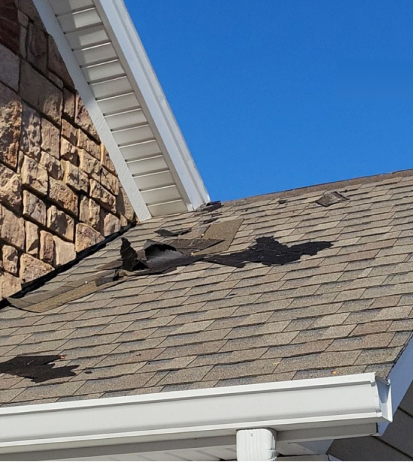
| Lifted or Missing Shingles | Steady winds on flat terrain loosen aging fasteners | High: prevents wood rot on the exposed deck |
| Dark Spots and Streaks | High humidity promotes mold and algae growth | Moderate: affects curb appeal and shingle health |
| Leaking Flashing | Temperature changes expand and contract metal joints | Critical: primary source of interior leaks |
| Granule Loss | Intense summer heat and UV exposure break down shingles | Moderate: signals shingles are becoming brittle |
After heavy rain, check for grit in your gutters, gaps around chimneys, and dampness in the attic. Catching these warning signs during late spring or early fall prevents the need for an emergency call during a summer thunderstorm when contractors are already managing multiple urgent projects across the area.
When moisture sits on a roof in this humid region, small damage can quickly become a major problem. A single loose shingle or worn flashing joint allows rain to reach your roof deck, where wood rot and mold spread quietly until you notice ceiling stains or sagging insulation. Professional repair using wind-resistant materials and proper sealing techniques adds years to your existing roof while maintaining your home’s resale value and keeping your family dry through every rainstorm. Addressing wear now means you avoid the stress and expense of emergency work when a minor issue suddenly becomes a crisis during the next round of heavy weather.
Platinum Roofing helps homeowners across the area protect their investment with honest diagnoses and quality repairs that hold up in South Georgia’s tough conditions. When you’re ready to have your roof inspected, our team is ready to identify small concerns before they turn into expensive failures.
Platinum Roofing answers the questions Moultrie homeowners ask most about residential roof repair. We believe clear information helps you make confident decisions about protecting your home.
Most targeted repairs take between 4 and 8 hours, depending on the damaged area and whether multiple sections need attention. Simple shingle replacement on a single slope can often be completed in half a day, while flashing work around chimneys or valleys may extend into a full day once we remove old sealant and install new metal properly. We schedule repairs during dry weather windows since afternoon thunderstorms are common here, and we’ll never rush through critical sealing steps just to finish faster.
The extent of hidden damage underneath visible problems makes the biggest difference in final cost. When we remove damaged shingles, we often find that moisture has softened the roof deck or rotted fascia boards, requiring replacement of those structural parts before new shingles go down. Roof pitch, the number of stories on your home, and whether special flashing or ventilation work is needed also affect labor time and material requirements.
If damage is limited to one area and the surrounding shingles still show good granule coverage and flexibility, targeted repair makes sense. When we inspect your roof and find widespread granule loss, multiple leak points, or shingles that have become brittle across large sections, replacement becomes the better investment since repairs would only buy you a year or two. We’ll show you photos of what we find and explain honestly which approach protects your home without wasting your money on temporary fixes.

Schedule Your Free Roof Inspection Now!