Schedule A Consultation


St. Mary’s sits close enough to the Atlantic that coastal winds and salt air reach inland from Cumberland Island and the Naval Submarine Base Kings Bay waterfront. When tropical systems move through Camden County, your roof takes the brunt of sustained winds and driving rain that test every shingle, flashing joint, and fastener. High humidity year-round creates conditions where wood roof decks stay damp longer after storms, inviting rot that weakens the structure beneath your shingles. Salt air corrodes metal flashing and accelerates wear on roofing materials, shortening the lifespan of systems that might last decades in drier inland climates. Left unaddressed, these factors turn small vulnerabilities into leaks, sagging roof decks, and expensive structural repairs that spread far beyond the roof itself.
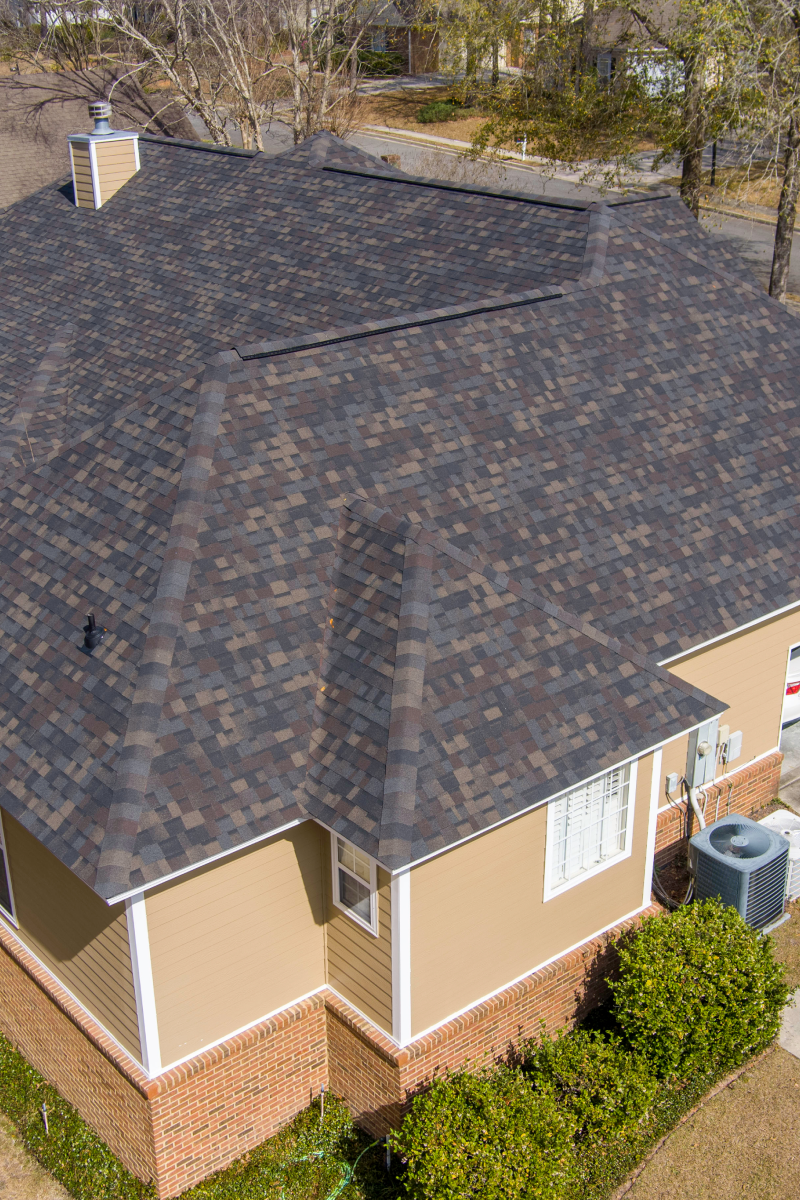
Professional residential roof replacement removes compromised materials and installs systems built to handle the weather conditions specific to this coastal area. Platinum Roofing understands how St. Mary’s weather patterns affect roofing performance because we work exclusively in Camden County and surrounding communities. We use materials rated for wind uplift resistance and design installations that account for moisture exposure and salt air corrosion. Our crews inspect roof decking for rot during tear-off, replace damaged sections, and install flashing details that keep water out during heavy rain common to this region. A properly installed roof protects your home from the elements while maintaining the appearance and durability you expect from a long-term investment in your property.
Replacing a roof is a significant decision, and you deserve to know exactly how the project unfolds from start to finish. We walk you through every step so there are no surprises.
Choosing the right shingle for your replacement means matching material performance to the conditions your roof faces daily. Coastal winds, salt air, and high humidity require shingles that resist algae growth, maintain flexibility through temperature swings, and stay secured during storms. Not all shingles perform equally when exposed to moisture and salt, so understanding the differences helps you make an informed decision that protects your home for years.
| Shingle Type | Key Benefits for Coastal Conditions | Durability Advantage |
|---|---|---|
| Architectural Shingles | Enhanced wind resistance and dimensional appearance that resists lifting during storms | Thicker construction handles temperature changes and salt exposure better than standard options |
| Algae-Resistant Shingles | Embedded granules prevent black streaks on north-facing slopes common in humid climates | Maintains appearance longer without requiring frequent cleaning or treatments |
| Impact-Resistant Shingles | Designed to withstand hail and windborne debris during tropical weather | Reinforced backing stays flexible in heat while resisting tearing from high winds |
| High-Wind Rated Shingles | Meets stricter uplift requirements for coastal zones near naval installations | Stronger adhesive bonds perform reliably through hurricane season without losing tabs |
We pair your selected shingles with reinforced underlayment and corrosion-resistant metal flashing to create a complete system that addresses leaks and salt air degradation. Proper material selection matched to St. Mary’s weather patterns gives you a roof that performs as expected through every season.
A professionally installed roof gives you confidence that your home is protected from the weather conditions that define this coastal region. You avoid the unexpected repairs that come from systems weakened by salt air, humidity, and seasonal storm activity. The right replacement at the right time protects your property value and eliminates the worry that comes from watching your roof deteriorate year after year. For homeowners exploring roof replacement financing, flexible payment options can also make it easier to move forward with the protection your home needs. Scheduling your replacement during spring or fall gives materials the moderate conditions they need to seal properly while avoiding the intense heat of summer and the unpredictable weather patterns that arrive during hurricane season.
Platinum Roofing works with homeowners throughout this area who want a roof built to handle what this region delivers, providing dependable roofing services in St. Marys tailored to local conditions and homeowner needs. When you’re ready to move forward, reach out to schedule an inspection that tells you exactly where your roof stands and what options make sense for your home.
Got questions about your roof? We’ve got answers. From maintenance tips to insurance claims and repair timelines, our FAQ section covers the most common concerns homeowners have. Get informed and make confident decisions about protecting your home.
Clear vehicles and outdoor furniture away from the house perimeter so the crew has clear access for material delivery and debris removal. Move any fragile items in your attic or garage since vibration from tearoff can shift things on shelves. Trim back tree branches that hang over the roof to give our team a safe working space and prevent damage to limbs during the project.
Salt particles carried inland from Cumberland Island and the waterfront settle on roofing surfaces and accelerate corrosion on metal flashing, vents, and fasteners. This exposure can shorten the lifespan of standard materials by several years if they aren’t rated for coastal environments. We install corrosion-resistant metal parts and select shingles formulated to resist salt degradation so your replacement performs as expected despite proximity to the water.
Partial replacement only makes sense if the damage is isolated and the rest of your roof is relatively new, with years of life remaining. Mixing old and new materials creates a mismatched appearance and uneven wear patterns, and you’ll likely face another project soon when the older section fails. If your roof is more than 15 years old or shows widespread wear, replacing the entire system gives you consistent protection and avoids repeated disruption to your property.
Schedule Your Free Roof Inspection Now!