Schedule A Consultation


Leesburg sits in Southwest Georgia’s climate, and that environment puts real pressure on your roof every single year. Warm, humid summers push temperatures into the 90s, and the area receives around 50 inches of rainfall spread throughout the year. That consistent moisture exposure means your roof never really gets a break. Spring brings the added threat of hail and high winds, and damage from those storms isn’t always obvious right away. Left undetected, small issues caused by heat, humidity, and storm activity work their way into bigger problems over time, affecting the structure beneath the surface and the interior of your home.
A professional roof inspection for your home gives you a clear picture of where your roof stands before minor wear becomes an expensive repair. Platinum Roofing understands how the local weather patterns affect roofing materials in this area, from shingles losing adhesion under repeated heat-driven expansion and contraction to moss and algae taking hold in shaded areas that stay damp. These aren’t abstract concerns in Leesburg, they’re predictable patterns that show up regularly in homes across Lee County, especially in older properties that have spent decades under certain conditions.
If your home is more than 15 years old, or if it has been through a recent stretch of severe weather, the case for a complete roof inspection is especially strong. Routine inspections here are less about reacting to a crisis and more about staying ahead of the conditions that make this climate particularly hard on roofing systems year-round.
Knowing what to expect from the process makes the experience more straightforward and helps set clear expectations before anyone arrives on-site.
The combination of year-round moisture, warm summers, and periodic severe weather gives Leesburg roofs a distinct set of vulnerabilities. Knowing what gets examined during an inspection helps you understand why certain findings show up more often in this area than others.
Homes over 15 years old in this area tend to show several of these findings together, since weather conditions accumulate wear in predictable patterns. Catching these issues early keeps manageable problems from growing into something far more expensive to address.
Homes in Leesburg that have been through decades of weather exposure develop wear patterns that differ from what you’d see in drier or cooler climates. Knowing how to read those patterns accurately tells you whether your roof has years of life left or is approaching the point where repairs start compounding.
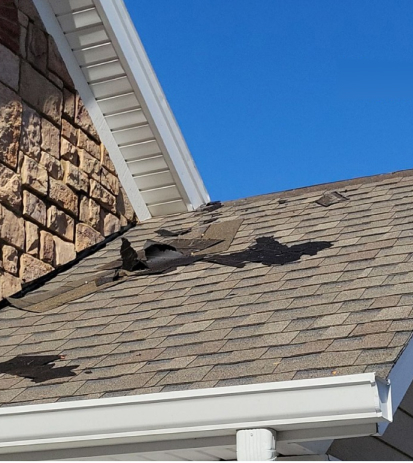
Spring hail and wind damage in this area often looks minor on the surface but continues to get worse under summer heat and ongoing moisture exposure. Getting an inspection shortly after a significant storm captures that damage at its earliest stage, before secondary failures develop and the repair scale grows.
A complete roof inspection includes checking interior signs that something above is allowing moisture in, such as staining, soft spots, or humidity buildup in the attic space. In a climate where your roof faces moisture pressure year-round, interior indicators often reveal problems that aren’t yet visible from the outside.
Not every home needs the same inspection schedule, and a single visit gives you a clearer sense of how often your specific property should be checked, given its age, material condition, and recent weather exposure. For homes over 15 years old in Lee County’s humid climate, spacing inspections closer together than national averages suggest is often the smarter call.
Your roof handles a lot in this part of Southwest Georgia. The warm, humid conditions that make this area feel like home year-round also create steady pressure on roofing materials, and that pressure builds gradually in ways that aren’t always obvious until the repair gets bigger and more expensive. A routine inspection keeps you ahead of that curve, giving you a clear picture of where things stand so you can make informed decisions about your home on your own timeline.
If you’re ready to find out what condition your roof is actually in, Platinum Roofing serves the Leesburg, GA area and is here to help. There’s no pressure and no obligation, just an honest look at your roof and straightforward answers about what we find. Reach out whenever you’re ready, and we’ll get you scheduled.
Got questions about your roof? We’ve got answers. From maintenance tips to insurance claims and repair timelines, our FAQ section covers the most common concerns homeowners have. Get informed and make confident decisions about protecting your home.
Moss and algae are more than a visual problem. In Leesburg’s warm, humid environment, these growths trap moisture against the surface of the roof and hold it there long after rain stops, which accelerates the breakdown of shingle material underneath. What looks like surface discoloration on the outside can indicate an active moisture retention problem that’s quietly shortening the life of your roof.
Ground-level visibility misses a lot of what hail and high winds actually do to a roof. Wind can lift and reseat shingles in a way that leaves the surface looking intact while the seal underneath is broken, and hail impact damage to granules is nearly impossible to spot without getting up on the roof. In this area, summer heat then works on those weakened spots quickly, so what starts as minor storm damage can become a more significant repair if it isn’t caught early.
Homes that have spent several decades under Southwest Georgia’s conditions develop wear patterns that are specific to that long-term exposure. Older roofing systems in this area often show gradual degradation in shingle adhesion, weathered flashing seals, and drainage parts that were sized for the original construction but may not handle modern rainfall needs as effectively. An inspector familiar with local housing stock can tell the difference between normal aging for this climate and wear that needs attention now.

Schedule Your Free Roof Inspection Now!