Schedule A Consultation


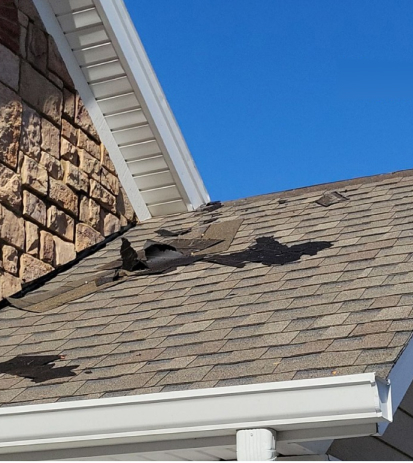
Roofs on Skidaway Island experience continuous stress from being on the coast. Salt-filled air off the water, winds gusting up to 40 mph, and around 49 inches of rainfall a year create constant pressure on shingles, flashing, and the underlying roof deck. That salt exposure alone can strip away a significant portion of your shingle granule protection within just a few years, leaving the mat beneath vulnerable to cracking, blistering, and moisture damage long before your roof reaches the end of its expected life. Add in the heavy humidity, occasional hail, and the threat of hurricanes pushing through each summer, and you have conditions that need more than a quick visual check from the ground.
A proper residential roof inspection in Skidaway Island goes well beyond looking for missing shingles. It means checking metal flashing and fasteners for corrosion, verifying that edges and laps are secure against wind uplift, and flagging overhanging branches that drop debris into gutters and valleys. Platinum Roofing understands the specific needs of roofs in Skidaway Island, and every inspection we complete is built around what homes in this community actually face.
Knowing what happens during an inspection makes the whole process easier to trust. Here is exactly what Platinum Roofing does, step-by-step, so you know what to expect before we ever set foot on your property.
Homes on Skidaway Island face a combination of coastal conditions that show up in very specific ways during an inspection. Salt-filled air, heavy humidity, and strong winds leave behind signs that a trained eye knows where to find, and knowing what those signs are helps you understand why a complete inspection matters.
Wind uplift on Skidaway Island almost always starts at the edges, where loose fasteners and open seams give wind gusts a place to grab hold. During the inspection, every fastener and seam along the perimeter is checked for tightness and proper lapping, so small vulnerabilities don't turn into larger problems when the next storm rolls through.
Branches hanging over your roof drop debris into gutters and valleys, create shade that feeds algae and mold, and can cause direct contact damage during high winds. We note any branches within the fall radius and flag them so you know exactly where trimming back will help protect your roof between inspections.
Salt-filled air accelerates corrosion on drip edges, valley flashing, and vent collars at a much faster rate than what you'd see on an inland home. Each metal part is inspected for visible corrosion at seams and exposed areas, so deteriorating metal gets caught before it creates an opening for leaks to develop.
Not every roof on Skidaway Island needs the same inspection schedule. After reviewing your roof's age, repair history, and current condition, we give you a specific recommended schedule, whether that's the standard biannual approach or something more frequent if your roof warrants closer monitoring.
Living on the coast means your roof works harder than most. Salt-filled air, persistent humidity, and winds off the bay create conditions that quietly wear down shingles, metal parts, and the roof deck long before problems become visible from the ground. Catching those changes early keeps small issues from turning into expensive repairs, and it gives you a clear picture of where your roof actually stands ahead of storm season.
Platinum Roofing is familiar with what homeowners in this area face, and we bring that knowledge to every inspection we complete here. If you are ready to get an honest look at your roof's condition, we are ready to help. Reach out when you’re ready to schedule a residential roof inspection, and we will take it from there.
Got questions about your roof? We’ve got answers. From maintenance tips to insurance claims and repair timelines, our FAQ section covers the most common concerns homeowners have. Get informed and make confident decisions about protecting your home.
It can, which is why we handle gate access coordination before your appointment rather than on the day of. We confirm entry requirements in advance so there are no delays when our inspector arrives. If your community has specific rules about contractor access or working hours, we account for those when setting your appointment.
Yes, especially in this area. The combination of high humidity and salt-filled air means moisture damage often develops from the inside out, leaving the surface looking normal while the roof deck and underlayment are already compromised. Some of the most serious issues found on Skidaway Island roofs only show up in the attic, including soft spots and stained wood that would never be visible from the ground or street level.
Coastal exposure shortens the effective life of roofing materials faster than the manufacturer's timeline assumes, so age matters more here than it would for an inland home. A roof between 15 and 20 years old near the water deserves closer attention than one of the same age in a milder environment. If your roof has any recent leak history on top of its age, a more frequent schedule is worth considering until its condition is confirmed to be stable.

Schedule Your Free Roof Inspection Now!