Schedule A Consultation


Living in Richmond Hill means your roof goes through a large amount of stress year-round. While dealing with intense humidity and high temperatures is challenging enough, local roofs must also withstand heavy rainfall, hurricane-season tropical storms, and strong wind gusts. These conditions can quickly escalate a minor issue into major damage. UV exposure breaks down shingles gradually, granules wash into your gutters, and moisture finds its way into attics where poor ventilation gives mold and algae a place to grow. By the time you notice a stain on your ceiling, the damage has usually been there for a while.
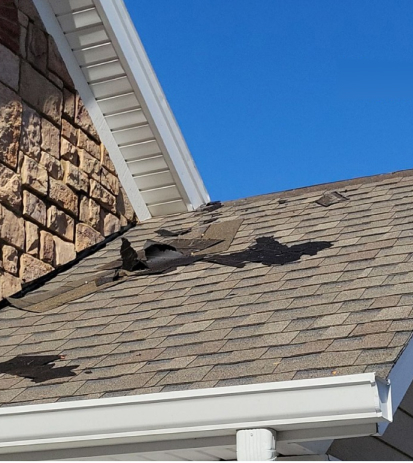
These factors are why a professional residential roof inspection matters so much in this area. A trained inspector can spot what you cannot see from the ground, including lifted shingle edges, failing pipe boots, cracked flashing around openings, and early indicators of moisture within the roof deck. Platinum Roofing works with Richmond Hill homeowners to catch these issues before they grow into expensive repairs, giving you a clear picture of where your roof stands and what, if anything, needs attention.
Knowing what to expect before someone climbs on your roof makes the whole process easier. Here is exactly how Platinum Roofing handles a residential roof inspection from start to finish.
In Richmond Hill, certain warning signs show up more often than others, and knowing what they may indicate helps you understand why a complete inspection covers more than just missing shingles.
| Warning Sign | Where Inspectors Look | What It May Indicate |
|---|---|---|
| Granule loss in gutters | Gutters and downspouts | Accelerated shingle aging or storm impact reducing remaining lifespan |
| Lifted or curling shingle edges | Roof edges, ridge caps, transitions | Wind damage or shingles expanding and contracting from temperature changes |
| Separated or cracked flashing | Chimneys, walls, and pipe boots | Common entry points for leaks, especially after storm seasons |
| Moisture or staining in attic | Underlayment, rafters, and roof deck | Hidden leaks or ventilation problems allowing humidity to build up |
| Mold or algae streaking on shingles | Shingle surfaces | Prolonged moisture exposure accelerating material breakdown |
During a residential roof inspection, a professional roofing contractor evaluates all components of your roofing system rather than focusing solely on the surface. Every element of the structure undergoes a detailed examination to ensure that nothing is missed.
Your attic tells a lot about what is happening above it. Inspectors look for blocked vents, excess heat buildup, and humidity levels that create the right conditions for mold to take hold, which is a real concern in Richmond Hill's climate where moisture lingers for months at a time.
Knowing how much life your roof has left helps you plan ahead instead of being caught off guard. Inspectors factor in the age of your materials, the condition of your shingles, and whether the rate of granule loss suggests your roof is aging faster than expected.
Gutters are part of how your roof sheds water, so they get checked during the inspection too. Inspectors look for improper slope, separation from the fascia boards, and blockages that cause water to back up under the roofline, which is a common problem when leaves accumulate in fall or after a heavy storm.
Ridge caps and the spots where different roof planes meet are high-risk areas that often get overlooked during a casual look from the ground. In Richmond Hill, heavy rain targets these transitions directly, and even small gaps here can let water into your home long before any visible interior damage appears.
Got questions about your roof? We’ve got answers. From maintenance tips to insurance claims and repair timelines, our FAQ section covers the most common concerns homeowners have. Get informed and make confident decisions about protecting your home.
Yes, and the timing matters. Inspections scheduled before late summer give you a chance to address any weak points before hurricanes and heavy storm activity pick up. Inspectors in this area pay close attention to pipe boots, flashing at walls, and shingle edges at roof transitions because those are the spots where heavy rain most often finds a way in during severe weather.
Make sure your attic hatch or access point is clear and easy to reach, and leave enough open space in your driveway for safe ladder placement. If you have items stored against the house near the roofline, moving them ahead of time helps the inspector work without interruption. These small steps allow a complete and smooth look at the areas that matter most, including underlayment condition and any structural concerns in the attic.
Edges, ridge caps, and the spots where two roof planes meet take the most direct damage from the strong wind gusts this area sees during storm season. The field of shingles in the middle of the roof is more protected by its surroundings, while edges and transitions bear the full force of heavy rain. This is why inspectors here focus heavily on those areas rather than just scanning the surface for missing shingles, since the damage that leads to leaks often starts at the perimeter long before the rest of the roof shows any problems.

Schedule Your Free Roof Inspection Now!