Schedule A Consultation


Brunswick homeowners deal with a combination of weather conditions that put roofs under constant pressure year-round. Around 50 inches of annual rainfall, most of it concentrated in summer, cycles through warm and humid air that promotes moss and algae growth on shingles. That moisture retention works quietly against your roof decking long before you notice a stain on the ceiling. Coastal proximity adds another layer of wear, as salty air accelerates granule loss on asphalt shingles faster than you'd see in inland Georgia. On homes with valleys, dormers, chimneys, or skylights, all common in Brunswick's housing stock, there are multiple points where water can find its way in if flashing or sealants are compromised. Temperature changes between summer and winter also stress the materials that hold those transitions together.
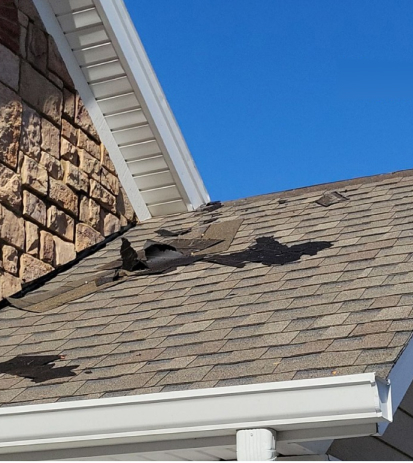
A complete roof inspection gives you a clear picture of where your roof stands before small problems become expensive repairs. Platinum Roofing works with Brunswick homeowners to identify exactly those vulnerabilities, from granule buildup in gutters that signals accelerated shingle wear, to flashing gaps around chimneys and skylights that won't hold up through summer storm season. Catching these issues early protects your home and keeps your investment in your property from quietly losing value beneath a roof that looks fine from the street but isn't.
Knowing exactly what happens during an inspection removes uncertainty and clarifies what is being evaluated before any work begins.
Brunswick roofs face a specific set of conditions that make thorough inspections more than a routine checkbox. Salty air off the coast, heavy summer rainfall, and temperature changes between seasons all create wear patterns that a trained eye knows how to read. Understanding what gets examined helps you know exactly what you're getting from your inspection.
For homeowners preparing to sell in the Brunswick area, this level of documented detail supports buyer confidence and keeps real estate transactions moving without last-minute surprises about roof condition.
Salty air exposure near the Golden Isles causes asphalt shingles to shed granules faster than on inland Georgia homes, and your gutters are one of the first places that show up. Knowing how much granule accumulation is present, and where it's concentrated, tells your inspector how much useful life your shingles have left before replacement becomes necessary.
Skylights are a frequent source of leaks on Brunswick homes, yet they're often overlooked in basic inspections. Your inspection covers the curb, flashing, and sealant around every skylight on your roof, since even minor gaps there can channel water directly into your ceiling during a heavy summer storm.
Your inspector doesn't stop at the surface of the roof. Signs of moisture damage, staining, or inadequate airflow inside your attic can reveal problems that aren't visible from outside, including early-stage rot in the roof deck that looks intact from above but is breaking down from beneath.
Every finding from your inspection is captured in a documented report with photos you can keep and reference over time. Whether you're planning future maintenance, budgeting for repairs, or preparing your home for sale, that record gives you something concrete to share with buyers, contractors, or your own planning timeline.
Brunswick's combination of coastal humidity, salty air, and heavy seasonal rainfall means your roof is working harder than most. A complete inspection gives you a clear, documented picture of where your roof stands right now, before minor wear turns into something that disrupts your home and your budget. Spring and fall are natural times to schedule, but an inspection is useful any time you want to know what you're actually dealing with up there.
Platinum Roofing makes the process straightforward for Brunswick homeowners. Whether you're staying put and want to protect your property for the long term, or you're preparing to sell and need clear documentation of your roof's condition, a professional inspection gives you the information to move forward with confidence. Reach out when you're ready, and we'll take it from there.
Got questions about your roof? We’ve got answers. From maintenance tips to insurance claims and repair timelines, our FAQ section covers the most common concerns homeowners have. Get informed and make confident decisions about protecting your home.
Yes, and the difference is more significant than most people expect. Salty air off the Georgia coast accelerates granule loss on asphalt shingles at a faster rate than standard wear, which shortens the window between when damage starts and when it becomes a real problem. If your home is within several miles of the water, staying on a more frequent inspection schedule gives you a chance to catch that accelerated deterioration before it affects the roof deck underneath.
It does, and significantly. Valleys, chimneys, dormers, and skylights are the points where different roof planes and materials meet, and those transitions rely on flashing and sealant to stay watertight. Those materials expand and contract with Brunswick's temperature swings between summer and winter, which gradually loosen adhesion and open small gaps that wouldn't be obvious from the ground. A thorough inspection treats each of those transitions as its own priority rather than a quick pass along the surface.
Keep it, and treat it as a living document for your home. A dated inspection report with photos gives you a baseline you can compare against future inspections, which makes it easier to track how quickly your roof is wearing over time. It also carries real weight if you decide to sell, since buyers in the coastal Georgia market often want documented proof of roof condition before moving forward. If repairs are recommended, the report helps you prioritize what needs attention now versus what can wait.

Schedule Your Free Roof Inspection Now!