Schedule A Consultation


Hahira sits in South Georgia's humid belt, where summers push temperatures into the 90s, and the area receives around 50 inches of rainfall each year. That combination of heat and moisture puts real stress on roofing systems. Asphalt shingles expand during the hottest stretches of summer, then contract as temperatures drop, and that repeated movement accelerates granule loss and shingle curling over time. Spring and fall thunderstorms add to the pressure, pushing water against flashings, seals, and any spot on your roof that has already started to weaken. For homeowners, especially those in older ranch-style homes built between the 1970s and the early 2000s, these conditions make regular roof inspections not just a good idea but a practical necessity.
Hahira's flat terrain and clay-based soils create drainage challenges that make things more complicated. Water doesn't move away from low-slope roofs as quickly here, and standing water after a storm can deteriorate roofing materials faster than most homeowners realize. Problems that seem minor after one season can reach into your attic, roof decking, or insulation by the next. Platinum Roofing works with Hahira homeowners to catch these issues early, inspecting everything from shingle condition and the flashing’s structural integrity to attic ventilation and signs of moisture buildup before they turn into expensive repairs.
Roof inspections are a lot easier to manage when you know what the process actually involves ahead of time. Here is how a residential roof inspection is typically handled from the first appointment to the final review.
Hahira's weather conditions create a specific set of problems that show up on roofs in predictable ways. Knowing what gets examined during an inspection helps you understand the value of what you are getting and what findings actually mean for your home.
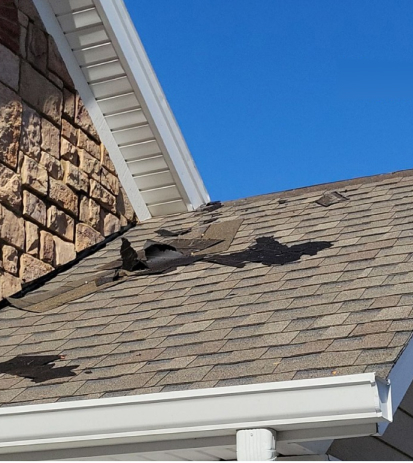
Detailed photo documentation of these findings gives you a complete record of your roof's condition, which is useful for tracking changes over time or supporting insurance claims after storm damage.
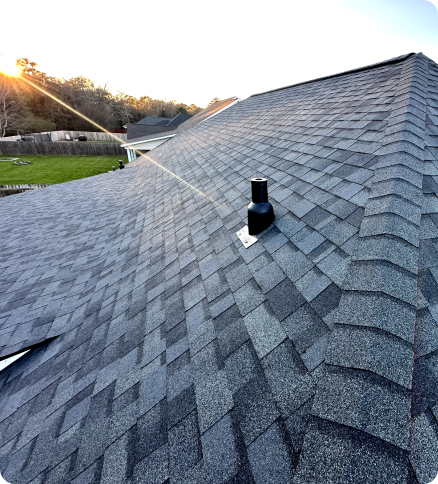
When your roof is approaching 15 to 20 years old, an inspection goes beyond spotting damage. It gives you a documented baseline of granule wear patterns across your entire surface of the roof, so you can plan a replacement on your timeline instead of reacting to a sudden failure.
Gutters that are pulling away, clogged, or improperly sloped make Hahira's heavy rainfall work against your roof instead of away from it. Your inspection includes a check of gutter attachment, flow capacity, and downspout positioning to confirm water is actually leaving your roof system the way it should.
Vent pipes, skylights, and any other gaps rely on sealant and caulking that degrade over time, especially under South Georgia's heat and humidity cycles. Inspectors check these spots specifically because failed sealant around gaps is a common source of slow leaks that do not show up until water has already reached your roof decking or insulation.
Many older ranch homes in Hahira have soffit vents, ridge vents, or gable vents that are blocked, undersized, or deteriorated. Your inspection includes a look at whether your ventilation system is actually moving air effectively, because poor airflow traps heat and moisture in your attic and shortens the life of your roof from the inside out.
Living in South Georgia means your roof works harder than most homeowners realize. The seasonal cycle of heavy rain, high humidity, and summer heat builds up gradually, and the effects often stay hidden until a problem is already well along. A routine inspection gives you a clear picture of where your roof actually stands, so you can plan on your own terms rather than reacting to a sudden repair bill. For homes that are getting older, that kind of baseline knowledge is especially worth having.
Platinum Roofing is familiar with the specific conditions Hahira homes face and what those conditions do to roofing systems over time. If you are ready to get a clear, honest look at your roof's condition, reaching out to schedule an inspection is a straightforward first step. There is no pressure and no obligation, just a practical look at one of the most important parts of your home.
Got questions about your roof? We’ve got answers. From maintenance tips to insurance claims and repair timelines, our FAQ section covers the most common concerns homeowners have. Get informed and make confident decisions about protecting your home.
Homes built between the 1970s and early 2000s were constructed with flashing systems and ventilation designs that were standard at the time but were not built to handle decades of South Georgia's heat and humidity. Sealants around chimneys and gaps on those older roofs have had more time to break down, and the ventilation setups in many of those ranch-style homes were never quite adequate for the moisture levels common here. An inspection of an older home tends to uncover more layered issues simply because the roof has been absorbing years of the region's weather conditions without the benefit of updated materials or designs.
Algae streaking on your shingles is not just a cosmetic issue. It signals that moisture is sitting on your roof’s surface long enough to support growth, which means those shingles are staying wet longer than they should. Over time, that persistent moisture retention breaks down shingle granules faster and can work its way into the layers beneath. An inspection that documents algae growth tells you not just where the discoloration is, but what it indicates about drainage, shading, and the underlying condition of those shingles.
Hahira's clay soils and flat terrain mean water drains slowly, and low-slope roofs can hold standing water for hours after a heavy storm. If you notice water pooling in any spot on your roof, dark ceiling stains inside your home, or gutters pulling away from the fascia boards, those are signs worth having someone look at sooner rather than later. Even without visible damage, a post-storm inspection is a practical step after any significant thunderstorm because the issues most likely to cause expensive repairs later are the ones you cannot see from the ground.

Schedule Your Free Roof Inspection Now!