Schedule A Consultation


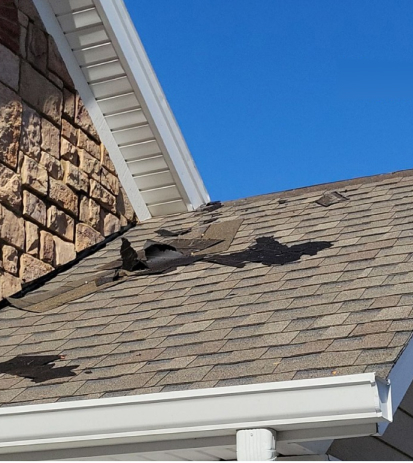
Lake Park sits in a part of South Georgia where the weather does not go easy on roofs. Summers bring highs in the 90s with heavy humidity, and while winters stay mild by most standards, brief freezes followed by warm spells put real stress on shingles and flashing. Add in roughly 50 inches of rain each year, much of it arriving in hard summer thunderstorms, and the occasional tropical system pushing up from the Gulf, and your roof is handling more than most homeowners realize. That kind of repeated weather exposure can cause granule loss, lifted edges, and slow leaks that quietly do damage long before anything shows up on the ceiling.
A professional roof inspection catches those problems early, before they turn into something expensive. Platinum Roofing works throughout Lowndes County and understands what homes here actually face, from the heavy oak and pine canopy that drops debris into roof valleys, to the way local soils can shift foundations just enough to stress ridge caps and flashings over time. There is also a detail that often gets missed: algae staining on shingles here is sometimes confused with granule loss, and telling the difference matters for knowing what kind of attention your roof actually needs.
The proximity to the Gulf also means salt-laden air reaches this far inland more than people expect, accelerating corrosion on metal flashing and fasteners in ways that only a close inspection will reveal.
A roof inspection is much easier to navigate when you understand how the process works before the visit even begins. Here is what a residential inspection typically looks like from the initial appointment through the final review.
Timing your roof inspection well can mean catching problems before the season that causes them. In Lake Park, two distinct weather patterns create two clear windows where an inspection delivers the most value for your home.
| Inspection Timing | Primary Purpose | What to Watch For |
|---|---|---|
| Late Winter to Early Spring | Catch damage from brief freezes and temperature swings | Ridge cap alignment, flashing gaps, and fastener corrosion |
| Late Spring | Prepare for summer thunderstorms and afternoon wind gusts | The shingle seal’s structural integrity at roof edges, and debris embedded in valleys |
| After a Tropical Storm | Identify storm-related damage before it gets worse | Lifted shingles, hidden cracks from acorn and twig impact |
| Every 1 to 2 Years | Routine check on older homes with ventilation concerns | Attic heat and moisture buildup, granule loss versus algae staining |
Homes built between the 1960s and 1980s deserve particular attention during routine inspections. Original soffit venting in many of these properties traps heat and moisture in the attic, which shortens shingle life noticeably over time. Soil conditions in Lowndes County also vary, and gradual foundation movement can quietly stress ridge caps and leaks in ways that only a close, hands-on inspection will reveal.
Your inspector looks closely at shingle surfaces to distinguish actual granule loss from algae staining, a distinction that matters a great deal in Lake Park's humid climate, where both are common. Getting it right means you're not spending money on repairs your roof doesn't need, and you're not overlooking damage that it does.
Metal flashing around chimneys, vents, and roof edges is checked closely for corrosion that salt-laden air from Gulf weather systems can accelerate even this far inland. Fasteners are inspected as well, since corroded or backed-out fasteners are a common source of leaks that aren't visible from the ground.
Lake Park's heavy oak and pine canopy drops acorns, needles, and twigs that collect in roof valleys and gutters, creating conditions where moisture sits, and wear accelerates. Your inspector checks these areas carefully for embedded debris, hidden cracks beneath buildup, and any blockages that could lead to water backing up under shingles.
Lowndes County's clay-heavy soils can cause gradual foundation shifts that place subtle stress on ridge caps and roof gaps like pipe boots and vent collars. Your inspection includes a careful review of these areas for gaps, separation, or misalignment that a quick visual from the ground would never catch.
Your roof handles a lot in this part of South Georgia, from humid summers and hard rainfall to salt-filled air that travels farther inland than most people expect. Staying ahead of that wear protects your home from the kind of gradual damage that quietly builds until it becomes an expensive repair. Catching small issues early, whether it is a loose flashing seam or granule loss that has gone unnoticed, keeps your investment in your property on solid ground.
If your home is due for an inspection, or if it has been a couple of years since anyone has taken a close look, reaching out to Platinum Roofing is a simple next step. A roof inspection is one of the more straightforward things you can do to stay informed about where your home stands, and there is never any pressure to do more than what your roof actually needs.
Got questions about your roof? We’ve got answers. From maintenance tips to insurance claims and repair timelines, our FAQ section covers the most common concerns homeowners have. Get informed and make confident decisions about protecting your home.
Not necessarily. Algae staining is common on homes in Lake Park because of the humidity and tree cover, and it looks a lot like granule loss at a glance. The key difference is that staining is a surface issue while granule loss points to actual shingle wear, and a hands-on inspection is the only reliable way to tell them apart. Treating a staining problem as a replacement issue, or the reverse, can lead you in the wrong direction on repairs.
It can, and most homeowners would not catch it without a close inspection. The clay-heavy soils in Lowndes County can shift gradually over the years, placing subtle stress on ridge caps, pipe boots, and vent collars until small gaps or separations form. Those openings are rarely visible from the ground, but they give water a way in during the kind of heavy summer downpours this area sees regularly.
Quite a bit, especially in older homes. Many Lake Park properties built from the 1960s through the 1980s have original soffit venting that was never updated, which traps heat and moisture in the attic and causes shingles to break down faster than they should from the underside up. An inspection that includes the attic can identify this early, and in some cases, a ventilation fix extends the life of an otherwise sound roof without any shingle work at all.

Schedule Your Free Roof Inspection Now!