Schedule A Consultation


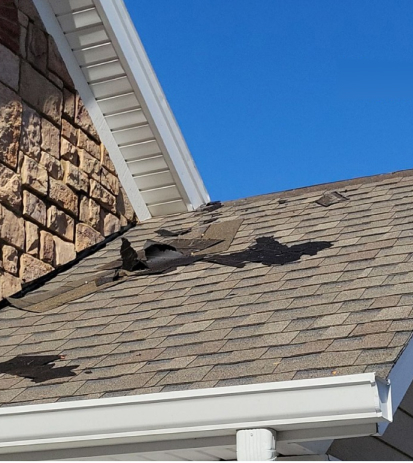
In Savannah, the combination of intense summer heat reaching temperatures past 90 degrees Fahrenheit and heavy humidity creates a hidden threat for local roofs. This environment allows moisture to get trapped beneath shingles, leading to gradual blistering and the deterioration of the roof deck. Add in roughly 48 inches of annual rainfall, salt-filled air rolling in off the coast, and a serious hurricane season, and you have conditions that wear down even a solid roof faster than you'd expect. When a roof starts failing quietly, the damage inside your home can grow well before a stain shows up on the ceiling.
That's exactly why a professional roof inspection matters so much in this area. A complete inspection looks beyond the surface, checking the condition of flashing around chimneys and vents, the strength of your shingles and valleys, attic ventilation, and the gutters and downspouts that keep water moving away from your roofline. Platinum Roofing works with Savannah homeowners who want a clear picture of where their roof stands before a small problem becomes an expensive repair.
Most roofing experts recommend scheduling an inspection twice a year, typically in spring and fall, and within a short window after any significant storm. Older homes, especially those built before modern coastal building codes, benefit from more frequent checks given how quickly salt-filled air and wind exposure can break down materials that might otherwise hold up for years.
Knowing what to expect from the process makes the whole experience less stressful. Here is exactly how Platinum Roofing handles a residential roof inspection in Savannah from start to finish.
A complete roof inspection in Savannah covers more than just a quick look at your shingles. Because of the heat, humidity, salt-filled air, and severe storms this area deals with regularly, there are specific problem areas that show up here more often than in other parts of the country.
An inspection here usually uncovers repairable issues rather than a full replacement, provided the structure underneath is still sound. Catching these problems early keeps repair costs manageable and protects your investment long term.
Savannah's humidity creates ideal conditions for algae streaks and moisture buildup that can quietly rot your roof deck from the inside out. An inspection identifies these early warning signs before they spread to the roof deck or framing below.
Coastal exposure speeds up rust and corrosion on metal fasteners, drip edges, and exposed metal surfaces across your roof. Catching corroded or loosened metal parts early prevents small rust spots from turning into larger failures after the next windstorm.
Roof valleys are put under a lot of stress during Savannah's heavy rainfall, and even minor wear or improper sealing in these areas can let water work its way under your shingles. A careful look at how water flows across your roof helps confirm that drainage is moving the way it should.
Overhanging branches are a real concern in Savannah neighborhoods, where mature tree canopies drop debris and can cause direct shingle damage during high winds. An inspection takes stock of any contact points or abrasion patterns left behind, so you know what risk your tree line poses to your roof between storms.
Living with Savannah's mix of coastal humidity, heavy seasonal rain, and salt-filled air means your roof is working harder than most homeowners realize. Catching wear early, whether that's a small flashing gap, granule loss on aging shingles, or early moisture in the attic, keeps repair costs manageable and protects the investment you've made in your home. A roof that gets checked regularly is far less likely to surprise you with expensive repairs down the road.
Platinum Roofing makes the process straightforward from your first call to the final walkthrough. If you've been putting off an inspection or just want to know where things stand heading into storm season, reaching out for a residential roof inspection is a simple first step.
Got questions about your roof? We’ve got answers. From maintenance tips to insurance claims and repair timelines, our FAQ section covers the most common concerns homeowners have. Get informed and make confident decisions about protecting your home.
It reaches further than most homeowners expect. Salt particles travel with coastal winds and settle on metal surfaces across the roof, including fasteners, drip edges, and flashing, accelerating rust and corrosion well beyond the waterfront. Homes several miles inland still see this kind of wear, and it tends to show up first on the small metal parts that hold everything together rather than on the shingles themselves.
Hold onto it and keep a copy somewhere easy to access. Some homeowners insurance carriers in Georgia ask for proof of recent inspections, particularly on older roofs, and having documentation of your roof's condition can matter if your roof is damaged by a storm in the future. Your report also gives the next inspector a baseline to compare against, which makes it much easier to spot changes over time.
In Savannah's climate, the most serious problems often develop out of sight well before anything shows up from the ground or inside the home. Moisture trapped under shingles, early corrosion on metal parts, and soft spots in the roof deck don't announce themselves until the damage is already spreading. A routine inspection is really about finding those quiet issues early, when the fix is still a minor repair rather than something much larger.
Schedule Your Free Roof Inspection Now!