Schedule A Consultation


Savannah's coastal environment creates constant stress for your roof. The combination of salt air, high humidity, and over 150 days of precipitation each year gradually wears down shingles and flashing. Heavy summer downpours drive water into vulnerable spots, while debris from the city's iconic live oak trees collects in valleys and clogs gutters. When moisture gets trapped under this organic material, it accelerates shingle deterioration and can lead to leaks inside your home. Temperature swings between hot summer days and cooler winter nights cause roofing materials to expand and contract repeatedly, loosening fasteners and creating gaps where water can enter. What starts as a small problem often spreads quickly in this climate, turning minor damage into more expensive structural issues if you wait too long to address it.
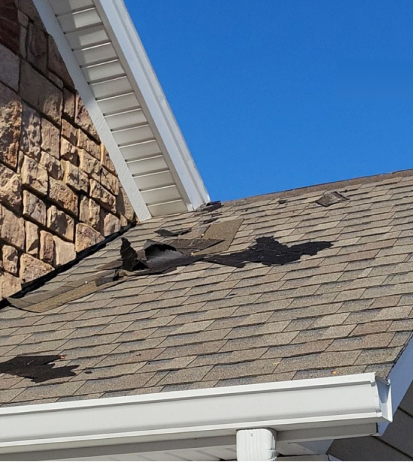
Professional residential roof repair protects your home from these local challenges before they grow into larger problems. At Platinum Roofing, we understand how Savannah's weather patterns affect different roofing materials and know where to look for the subtle signs of damage that homeowners often miss. Our repairs target the specific vulnerabilities that coastal conditions create, from replacing wind-damaged shingles to sealing flashing around chimneys and vents where humidity works its way underneath. We use materials suited to this environment and repair methods that account for ongoing exposure to salt air and moisture, giving you reliable protection that holds up between routine maintenance visits.
We know you need clear, straightforward information about what happens once you schedule a roof repair. The process below explains how the repair is handled from the initial visit through completion.
Understanding which roof problems occur most often in Savannah helps you recognize warning signs early. Our coastal location creates specific types of damage that show up repeatedly across different neighborhoods and home styles. Knowing what to watch for means you can call for repairs before a small issue turns into interior water damage or requires replacing larger sections of your roof.
Addressing roof damage quickly protects your home from the cumulative effects of coastal humidity and frequent rain. What might seem like a minor leak today can spread through your roof decking and insulation once moisture finds a way inside, leading to repairs that extend far beyond the roof itself. Professional work stops that progression and maintains the structural integrity your home needs to handle ongoing exposure to salt air and storm activity throughout the year.
Platinum Roofing brings local experience to every residential roof repair we complete. We understand how Savannah's environment affects your home and use repair methods that provide reliable protection in this specific setting. When you're ready to address damage or have concerns about your roof's condition, contact Platinum Roofing to schedule an inspection. We'll give you an honest evaluation and clear options that fit your situation.
Got questions about your roof? We’ve got answers. From maintenance tips to insurance claims and repair timelines, our FAQ section covers the most common concerns homeowners have. Get informed and make confident decisions about protecting your home.
Most residential roof repairs are finished the same day, with many completed in just a few hours. The exact timeline depends on how much area is affected and how easy the repair zones are to reach. Small corrective work, such as replacing a limited number of storm-damaged shingles or resecuring flashing, is usually quick, while broader repairs involving multiple sections or underlying layers can take most of the day but seldom go beyond that.
Pricing is driven by how large the damaged section is, what type of roofing material is installed, and how difficult the repair areas are to access. Steeper roofs require more time and additional safety measures, which increases labor costs. If removal of damaged materials reveals moisture-related deterioration in the deck, that extra corrective work will also affect the total, since those conditions are not always visible before the surface materials are removed.
When issues are limited to a single section and the roof is under 15 years old, targeted repair is usually the practical choice. If problems are appearing in several areas, if surface wear is widespread, or if the roof is nearing 20 years of service life, full replacement often becomes the more reliable long-term option. An inspection allows the actual condition to be documented and makes it clear which path makes more sense based on what is found.
Schedule Your Free Roof Inspection Now!