Schedule A Consultation


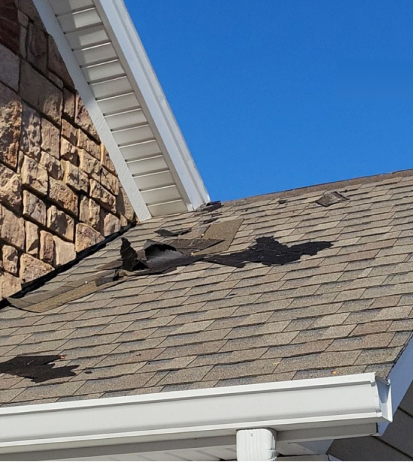
St. Mary’s sits close enough to the coast that your roof deals with humidity, salt air, and heavy rainfall throughout the year. Asphalt shingles take a beating in these conditions, with moisture working its way under curled edges and salt accelerating the breakdown of protective granules. Add in temperature changes between warm summer days and cooler winter nights, and you have a recipe for cracked sealant, loose fasteners, and gaps that let water reach the roof decking below. Many homes here were built during the 1970s housing boom, and those roofs have seen decades of this persistent exposure. What starts as a few missing shingles or a small leak can quickly spread to rotted wood and interior damage if you don’t address it quickly.
Professional work on residential roofs stops these problems before they grow into expensive structural issues. Platinum Roofing understands how coastal weather conditions affect local homes, and we focus on repairs that hold up against humidity, wind gusts, and steady rainfall. From replacing damaged shingles and sealing vulnerable areas to reinforcing fasteners that have loosened over time, we restore the protection your home needs without tearing off the entire roof. Most repairs take just a few hours, and you get a roof that keeps doing its job while you avoid the disruption and expense of a full replacement.
We know roof repairs can feel uncertain, so we walk you through every step and explain exactly what needs attention and why. You’ll never wonder what’s happening or what comes next.
Coastal humidity and salt air create specific challenges for asphalt shingle roofs in this area. You might notice granules washing into your gutters, shingles lifting at the edges, or dark streaks spreading across your roof. These aren’t just cosmetic issues. Each one signals that moisture, wind, or biological growth is compromising your roof’s ability to keep water out. The good news is that catching these problems early means you can often repair just the affected sections rather than replacing the entire roof.
| Problem | What Causes It | Why It Matters |
|---|---|---|
| Missing or loose shingles | Wind uplift during storms, weakened adhesive from humidity | Exposes the underlayment to direct rainfall and leaks |
| Granule loss | Salt air breaking down protective coating, normal aging accelerated by moisture | Reduces UV protection and speeds up shingle deterioration |
| Curled or lifted edges | Temperature changes cause expansion and contraction, and persistent moisture underneath | Creates openings where water can seep under shingles |
| Moss or algae growth | High humidity and shade allow organic material to take root | Traps moisture against shingles and accelerates rot |
Most residential repairs take just a few hours and target the specific problem areas without tearing into sections that still function properly. Addressing these issues now prevents water from reaching your roof decking and causing interior damage that requires far more work to fix.
Fast repairs add years to your roof’s lifespan and help you avoid the expense of replacing sections that could have been saved with a simple fix. Your asphalt shingles work hard against the constant exposure to moisture and salty coastal air, and addressing small problems now keeps them doing their job without the disruption of a full replacement. Platinum Roofing provides honest recommendations that focus on what your home actually needs, not what generates the biggest invoice. Scheduling an inspection before the next round of heavy rains or intense heat gives you the chance to tackle vulnerable areas while they’re still manageable. For dependable roofing services in St. Marys, our team can also help determine when repairs are no longer sufficient and when residential roof replacement in St. Marys may be the most practical solution.
When you’re ready to address those damaged shingles or leaks, Platinum Roofing is here to help. Reach out to schedule an inspection for your St. Mary’s property, and we’ll walk you through exactly what’s happening with your roof and the most practical way to fix it. We also provide service to nearby communities throughout the region.
Got questions about your roof? We’ve got answers. From maintenance tips to insurance claims and repair timelines, our FAQ section covers the most common concerns homeowners have. Get informed and make confident decisions about protecting your home.
Salt air and persistent humidity mean repairs need materials that resist corrosion and moisture better than standard options used inland. We use fasteners and sealants designed for coastal exposure so they don’t break down quickly from the constant salt and dampness. A properly executed repair using these materials typically lasts just as long as the surrounding shingles, often giving you another 10 to 15 years of protection before you need to consider a full replacement.
If you have a leak or visible damage, waiting until fall puts your roof decking and interior at risk through summer storm season, when heavy rainfall is most likely. We recommend getting repairs done as soon as you notice an issue, even if it’s June or July, because a compromised roof only gets worse when water finds its way inside. You can always schedule a follow-up inspection after hurricane season ends to catch any new problems that might have developed during the storms.
Check your ceilings and attic for new water stains or dripping immediately after heavy rain or high winds pass through. If you see shingles in your yard or notice large sections of your roof look different than before, those are clear signs you need someone out quickly. Even if you don’t see obvious damage from the ground, any new leaks or wet spots inside mean water is getting through, and you should call right away to prevent further damage to your framing and insulation.

Schedule Your Free Roof Inspection Now!