Schedule A Consultation


Living on the coast means your roof faces constant exposure to salt air, high humidity, and steady ocean breezes that work together to wear down roofing materials faster than you'd see inland. The salt air corrodes metal flashing and fasteners, while humidity keeps shingles damp long after storms pass, creating perfect conditions for algae growth and accelerated aging. With around 50 inches of rainfall each year and tropical systems rolling through during hurricane season, small problems like lifted shingles or cracked flashing can quickly turn into leaks that damage insulation, ceilings, and framing inside your home.
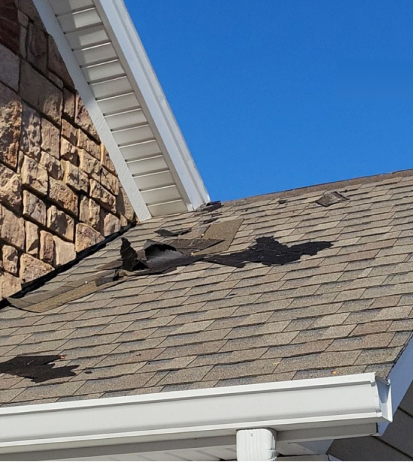
Professional residential roof repair addresses these coastal challenges before they escalate into expensive structural work. At Platinum Roofing, we understand how island weather patterns affect different roofing materials and building styles common to St. Simons Island. We routinely work with the windswept profiles and steep pitches designed to shed water quickly, and we know where salt exposure tends to cause the most damage on coastal homes. Our repair work focuses on restoring the protection your roof was built to provide, whether that means replacing corroded flashing around chimneys, securing loose shingles after a storm, or fixing vulnerable spots where moisture has started to break down the underlayment.
We know roof damage can be stressful, especially when you’re unsure how serious it is or what repairs will involve. Our process removes that uncertainty by guiding you through every step, from inspection to final walkthrough, so you always know what’s happening and why.
The specific combination of salt air, steady humidity, and seasonal storms creates repair patterns you won't find inland. Understanding what typically goes wrong helps you recognize problems early, before minor damage spreads to the underlying structure. Most homeowners call us for one of these coastal-driven issues that show up repeatedly across the island.
Most repairs take just a few hours to a single day, depending on the extent of damage and the accessibility of affected areas.
Taking care of minor wear now saves you from the stress and expense of dealing with structural damage later. When you address lifted shingles, corroded flashing, or small leaks before they spread, you're protecting not just your roof but also the insulation, framing, and interior finishes that make your house a home. Proactive repairs also help you stay current with local building codes and wind resistance requirements, which matters both for safety and for maintaining your property's value over time.
When you're ready to address a roofing issue or just want a professional to inspect vulnerable areas, Platinum Roofing is here to help. We work with St. Simons Island homeowners year-round to keep roofs in good shape and prepared for whatever the next season brings. Reach out to schedule an inspection and get straightforward answers about your roof's condition.
Got questions about your roof? We’ve got answers. From maintenance tips to insurance claims and repair timelines, our FAQ section covers the most common concerns homeowners have. Get informed and make confident decisions about protecting your home.
Most residential roof repairs take roughly 3 to 6 hours, depending on the type and location of the damage. Minor repairs, such as replacing a few shingles or resealing flashing around a vent, can often be completed in a single morning. More extensive work, including multiple leak points or sections of underlayment replacement, may require a full day. We provide an accurate timeframe after inspecting the roof and assessing the required work.
Pricing depends primarily on the size of the damaged area, the materials needed, and the complexity of the repair. Repairs that involve flashing replacement or work around chimneys and valleys typically cost more than simple shingle replacement due to the additional labor and precision required. Roof steepness and accessibility also impact cost, as steep or hard-to-reach areas require extra safety measures and time.
If the damage is confined to a small section, such as missing shingles or worn flashing around one gap, a repair is usually sufficient. Replacement is more practical when multiple leaks exist, granule loss is widespread, or damage covers a large portion of the roof. After inspecting your roof, we provide a clear recommendation based on its overall condition and age.

Schedule Your Free Roof Inspection Now!