Schedule A Consultation


Valdosta sits in a humid climate that puts real pressure on your roof year after year. Summers push temperatures into the 90s, and the region receives around 50 inches of rainfall annually, spread fairly evenly across all seasons. That combination of persistent heat and moisture doesn’t give your roof much of a break. Asphalt shingles, which cover the majority of homes in the area, lose their protective granules faster under these conditions, and biological growth like algae and moss can take hold on shaded or north-facing sections of the roof where moisture lingers. Left unchecked, that growth traps water against the shingles and quietly speeds up material breakdown. Many homeowners don’t realize there’s a problem until the damage is already expensive to fix.
A professional residential roof inspection gives you a clear picture of where your roof stands before small issues turn into serious ones. Platinum Roofing works with Valdosta homeowners to identify the specific problems this climate creates, from granule loss and flashing gaps to poor attic ventilation that allows moisture to build up inside the roof structure, even when the exterior looks fine. Understanding what’s actually happening on and beneath your roof is the first step toward protecting your home and your investment in your property for the years ahead.
Knowing what to expect makes the whole process easier. Here is exactly how Platinum Roofing handles a residential roof inspection from start to finish.
Valdosta’s weather conditions create a specific set of problems that show up on roofs in predictable ways. Knowing what gets examined during an inspection helps you understand the value of what a professional is actually looking for, and why certain areas of your roof deserve closer attention than others.
A complete inspection looks beyond what’s visible from the ground. The goal is to give you an accurate picture of your roof’s condition before minor wear becomes something much more expensive to address.
When algae or moss is found during your inspection, we note exactly where it appears, how far it has spread, and whether it has already begun affecting the underlying shingle material. This gives you a baseline record so you can track whether growth is progressing between inspections, which matters in a climate like Valdosta’s, where moisture is present year-round.
For homes with roofs in the 15 to 25-year range, your inspection includes a frank look at whether materials are approaching the end of their functional life, even without obvious visible damage. Valdosta’s heat and humidity can age asphalt shingles closer to their limits than homeowners often expect, and knowing where your roof stands helps you plan rather than react to a failure.
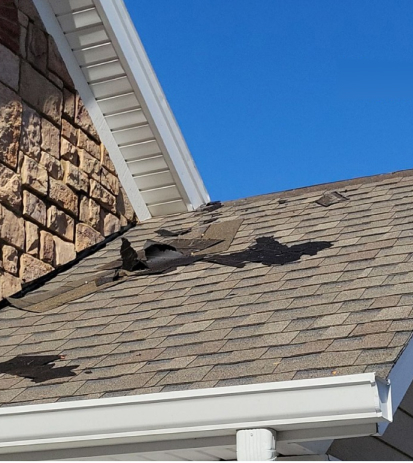
Valdosta sees storms throughout the year, and your inspection can be scheduled specifically in response to a recent storm to confirm whether any damage occurred. Even when a roof looks intact from the ground after heavy rain or wind, subtle issues like lifted shingles or compromised sealants around gaps can develop and allow water in long before a leak becomes visible inside your home.
You receive a clear record of your roof’s condition with photos tied to specific findings, not just a verbal summary you’ll struggle to recall later. This documentation is useful for tracking changes over time, comparing conditions between inspections, and making informed decisions about maintenance or repairs down the road.
Valdosta’s year-round moisture and summer heat are hard on roofing materials, and the wear often builds up quietly before anything is visible from inside your home. Staying ahead of that process with a periodic inspection is one of the more practical things you can do as a homeowner. Understanding the drone roof inspection benefits can also help you see how aerial assessments provide a closer look at hard-to-reach areas without requiring roofers to walk across the entire roof. Spring and fall tend to be ideal times to schedule, since mild weather makes it easier to catch anything that shifted during the hotter or cooler months, but an inspection any time of year is far better than waiting until a problem shows itself on your ceiling.
Platinum Roofing is familiar with what Valdosta roofs go through and what to look for when conditions have been working against them. If you are ready to get a clear picture of where your roof stands, reaching out to schedule an inspection is a straightforward next step. A professional assessment can also help you identify potential issues early and better understand future roof replacement costs if your roofing system eventually needs replacing. There is no pressure to commit to anything beyond understanding your roof’s actual condition.
Got questions about your roof? We’ve got answers. From maintenance tips to insurance claims and repair timelines, our FAQ section covers the most common concerns homeowners have. Get informed and make confident decisions about protecting your home.
Valdosta’s year-round humidity gives algae and moss near-constant conditions to grow, unlike drier regions where biological growth is more seasonal. The heat here also speeds up the process, so what might take years to appear elsewhere can show up in a fraction of that time on a Valdosta roof. That discoloration is more than an appearance issue. It means moisture is being held against your shingles, which quietly breaks down the material underneath.
Your attic space tells a story the exterior often hides. In a humid climate like Valdosta’s, poor ventilation allows moisture to condense inside the roof structure, which can lead to deck deterioration and early material failure well before any staining or leaking reaches your living space. An inspection that includes the attic gives you a much more complete picture than one that only covers the exterior surface.
Most regions with higher rainfall concentrate it in a particular season, which gives roofing materials some recovery time. Valdosta’s precipitation is spread fairly evenly across the entire year, meaning your roof faces continuous moisture exposure rather than concentrated stress followed by a dry stretch. That pattern accelerates wear on flashing, sealants, and shingles in ways that make a regular inspection schedule more valuable here than in places where weather requirements are more seasonal.

Schedule Your Free Roof Inspection Now!