Schedule A Consultation


Wilmington Island sits in one of the most demanding environments a roof can face. Salty air off the Intracoastal Waterway corrodes standard metal flashing and fasteners far faster than inland conditions allow. The dense oak canopy common across the island traps moisture and debris against shingles, accelerating wear in ways that typical annual inspections often miss. Add summer temperatures in the 90s, over 50 inches of annual rainfall, and a fall hurricane season that regularly pushes wind-driven rain under shingle edges, and you have a roofing environment that punishes neglect quickly. Left unaddressed, small issues like a lifted shingle or a failing flashing seal can allow water to reach the roof decking and framing, where mold, rot, and structural damage follow.
Professional residential roof repair on Wilmington Island requires more than patching shingles. It means understanding how salt-filled air degrades fasteners and vent caps, how coastal humidity slows the drying of wet underlayment, and how oak debris builds up in roof valleys to force water under the surface. Platinum Roofing works specifically in this coastal market and brings that local knowledge to every repair.
Using galvanized and stainless steel components, high-tack adhesives, and thorough flashing inspections, the approach here addresses the actual source of the problem rather than surface symptoms. That distinction matters, because a repair done right in a coastal environment can extend your roof's service life by 5 to 10 years compared to a repair that ignores what salty air and moisture are doing beneath the surface.
Knowing what happens before work begins makes the repair process easier to follow and helps you understand the solution your roof actually needs. Here is exactly how Platinum Roofing handles residential roof repair from the initial inspection to the final walkthrough.
Roof problems on Wilmington Island tend to follow predictable patterns, and knowing what you are actually dealing with helps you make better decisions before a repair crew ever arrives. One of the most common mistakes homeowners make is assuming a leak is always a shingle problem, when flashing failures around chimneys, skylights, and vents are behind a large share of recurring leaks on the island.
| Issue Type | Primary Cause on Wilmington Island | Repair Priority |
|---|---|---|
| Flashing leaks at chimneys or vents | Salty air corrosion and sealant breakdown from humidity | High: often misdiagnosed as shingle damage |
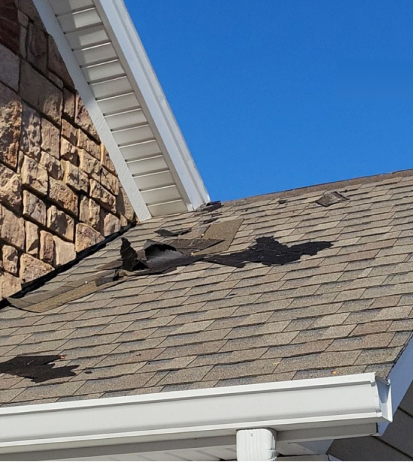
| Lifted or missing shingles | Wind uplift from tropical storms and coastal gusts | High: exposes underlayment to wind-driven rain |
| Debris-related valley damage | Oak canopy buildup forcing water under shingles | Moderate to high: becomes worse with each rainstorm |
| Corroded fasteners and vent caps | Salt-filled air degrading uncoated metal parts | Moderate: leads to shingle detachment if ignored |
| Wet or soft roof decking | Coastal humidity slowing drying after leaks | High: can progress to rot and framing damage |
Scheduling repairs in spring before hurricane season arrives gives sealants and adhesives the best conditions to cure properly, and it puts your roof in the strongest position before summer storms test it.
Standard uncoated metal fasteners can fail within a few years in a salt-filled air environment, causing shingles to loosen and creating new leak points. Every repair includes galvanized or stainless steel fasteners, flashing, and vent caps rated to hold up against the corrosive conditions specific to coastal barrier island homes like yours.
Wind-driven rain on Wilmington Island pushes water under shingle edges and ridges, which are the most vulnerable zones during tropical storms. Repair work includes high-tack adhesive application and reinforced fastening patterns along these areas to keep replacement shingles seated against future wind uplift.
Persistent coastal moisture does not stop at the shingle surface. A check of your soffit and fascia boards is included to identify rot or deterioration that could allow moisture to work into your wall assembly and framing, since a repaired roof will not protect your home fully if these areas are already compromised.
Oak debris accumulating in roof valleys creates water dams that force rain under shingles, a problem that adds up after every storm. Clearing and regrading these areas as part of the repair restores proper drainage and prevents the debris buildup from undoing the repair work over the following season.
Living on a barrier island means your roof faces a combination of conditions that inland homes simply do not. Salt air, persistent coastal humidity, seasonal storms, and oak canopy debris work together to wear a roof down faster than most homeowners expect. Addressing repairs before that wear adds up is one of the most practical ways to protect your home's value and avoid the kind of damage that turns a straightforward fix into a much larger project. Getting repairs done in spring, before summer heat peaks and hurricane season arrives, gives materials the best conditions to set and your roof the best chance of holding up through the months ahead.
If you have noticed a leak, lifted shingles, or anything that has been on your mind since the last big storm, Platinum Roofing is ready to take a look. A proper inspection on Wilmington Island starts with finding the actual source of the problem, not just what is visible from the ground. Reach out when you are ready, and we will help you figure out exactly what your roof needs.
Got questions about your roof? We’ve got answers. From maintenance tips to insurance claims and repair timelines, our FAQ section covers the most common concerns homeowners have. Get informed and make confident decisions about protecting your home.
On Wilmington Island, recurring leaks in the same location almost always point to a flashing problem that was never properly addressed. When salt-filled air breaks down sealant around chimney bases, vent pipes, or skylight edges, patching the shingles nearby only masks the issue. A thorough flashing inspection and full resealing of those joints is what stops the cycle for good.
It does, and more than most homeowners realize. Dense oak canopy traps moisture against your shingles and deposits debris in roof valleys, which creates water dams that push rain beneath the surface with every storm. Homes with heavy tree coverage on the island generally benefit from inspections twice a year rather than once, because the accelerated wear outpaces what a standard annual check can catch in time.
Salt-filled air corrodes standard uncoated metal faster than most people expect, and it is not just the flashing that is at risk. Fasteners, vent caps, and pipe collars made from ordinary metal can begin failing within a couple of years in a barrier island environment, eventually causing shingles to loosen and creating new leak points. Any repair done near the Intracoastal should use galvanized or stainless steel parts throughout, not just in the most visible areas.
Schedule Your Free Roof Inspection Now!