Schedule A Consultation


Living on Wilmington Island means your home faces some genuinely tough conditions year-round. The coastal humidity rarely lets up, annual rainfall hovers around 50 inches, and the area sees well over 150 days of precipitation. That kind of persistent moisture works against roofing materials in ways most homeowners don't notice until the damage is already done. Add in the UV exposure from long, hot summers and the wind exposure that comes with being so close to the Georgia coast, and you have a combination that shortens roof lifespans faster than inland properties typically experience. Granule loss, lifted shingles, and weakened roof decking can develop gradually, and by the time leaks appear inside, the underlying structure often needs more than a simple repair.
A proper full roof replacement addresses all of that from the ground up. It's not just about putting new shingles on top of old ones. It means inspecting the deck, replacing damaged materials, and installing a system built to handle the fastening requirements that coastal wind exposure requires. Platinum Roofing understands what Wilmington Island homes are up against, and that local knowledge shapes every replacement project we take on. Your home deserves a roof that's built for this environment, not just installed on it, and getting that right is exactly what we focus on.
Major roofing projects are easier to manage when you know exactly what to expect. Here’s how Platinum Roofing handles a residential roof replacement from start to finish.
Choosing the right material for your replacement is one of the most important decisions you'll make for your home. Wilmington Island's salt filled air, persistent humidity, and coastal wind exposure narrow the field quickly, and each option available through Platinum Roofing brings something different to the table, depending on your priorities and your home's structure.
| Material | Estimated Lifespan | Coastal Benefit |
|---|---|---|
| Asphalt Shingles | 20 to 30 years | Algae-resistant coatings reduce growth in year-round humidity; a budget-friendly entry point |
| Metal Roof | 40 to 70 years | Resists salt spray corrosion, reflects heat on hot afternoons, rated for high coastal wind speeds |
| Composite | 50 years or more | Impact-resistant against wind-driven debris: mimics slate or shake without moisture absorption |
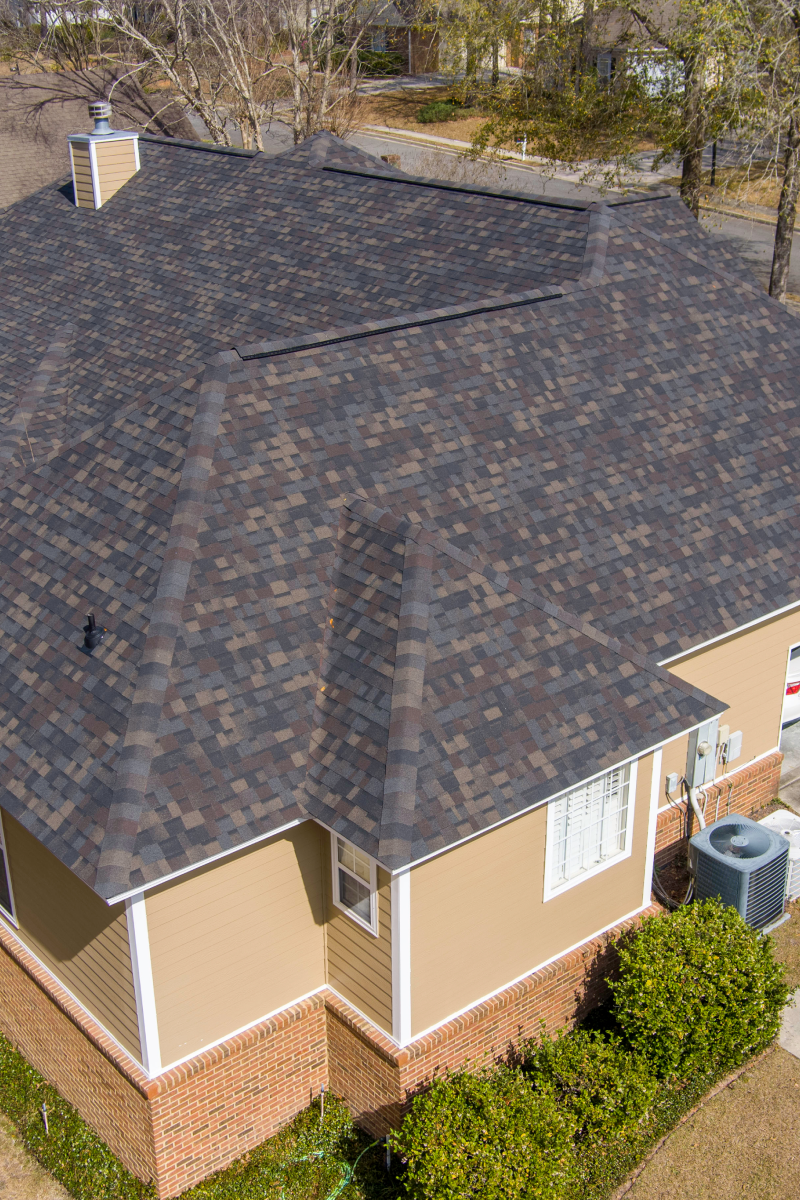
Regardless of material, every replacement on Wilmington Island should include reinforced fastening systems rated for the wind speeds this area sees. Metal roofs handle salt-filled air exceptionally well and can reduce cooling needs during summer. Asphalt shingles with algae-resistant coatings remain a practical and durable choice when installed with the right underlayment for steep or raised-style roofs common in the area. Composite offers the look of traditional materials with added resilience built for coastal conditions. A thorough inspection of your existing deck before installation helps confirm which option is the right fit for your home.
Replacing your roof is one of the more significant investments you'll make in your home, and on Wilmington Island, getting it right matters more than most places. The combination of salt-filled air, persistent humidity, and coastal wind exposure means your roof is working harder than roofs just a few miles inland. A replacement done properly, with materials and fastening systems matched to this environment, protects the structure beneath it and keeps repair costs from piling up down the road. It also means your home holds its value, which matters whether you're planning to stay long-term or eventually sell.
Platinum Roofing works with Wilmington Island homeowners to make sure every replacement is built to last in these specific conditions. If you're ready to take the next step, reaching out for a professional inspection is a straightforward place to start. We'll give you an honest read on your current roof and help you make a confident, informed decision about what your home needs.
Got questions about your roof? We’ve got answers. From maintenance tips to insurance claims and repair timelines, our FAQ section covers the most common concerns homeowners have. Get informed and make confident decisions about protecting your home.
Yes, and it's one of the more underestimated factors for homeowners this close to the coast. Salt-filled air accelerates the breakdown of certain metal fasteners and flashing materials, which is why the hardware and underlayment used on a coastal replacement should be rated specifically for that exposure. A roof installed with standard inland specs may show premature deterioration around the flashing and gap points well before the shingles themselves give out.
This is something homeowners rarely think to ask up front, but it comes up regularly on Wilmington Island properties where moisture has had years to work its way through. When we remove the old roofing and find soft or compromised roof decking, we replace only the affected sections rather than stopping the entire project. You'll want to confirm before work begins that your contractor has a clear process for handling this, since addressing it properly while the roof is open is far less disruptive and expensive than dealing with it later.
Late spring and early fall tend to offer the most reliable windows here. Summer afternoons bring intense heat that can make precise shingle seating more difficult, and the peak of Atlantic hurricane season runs through September, which adds scheduling uncertainty. Cooler, drier stretches in October and November are especially productive for installations, and booking ahead of those windows gives you the best shot at locking in your preferred dates before demand picks up.
Schedule Your Free Roof Inspection Now!